Island operation and battery backup during power outages
Island operation means a local energy system supplies selected loads while disconnected from the public grid. Battery backup requires more than a battery: the inverter, protection, disconnection and controls must be designed to work together during an outage.
Supply selected loads during a grid outage
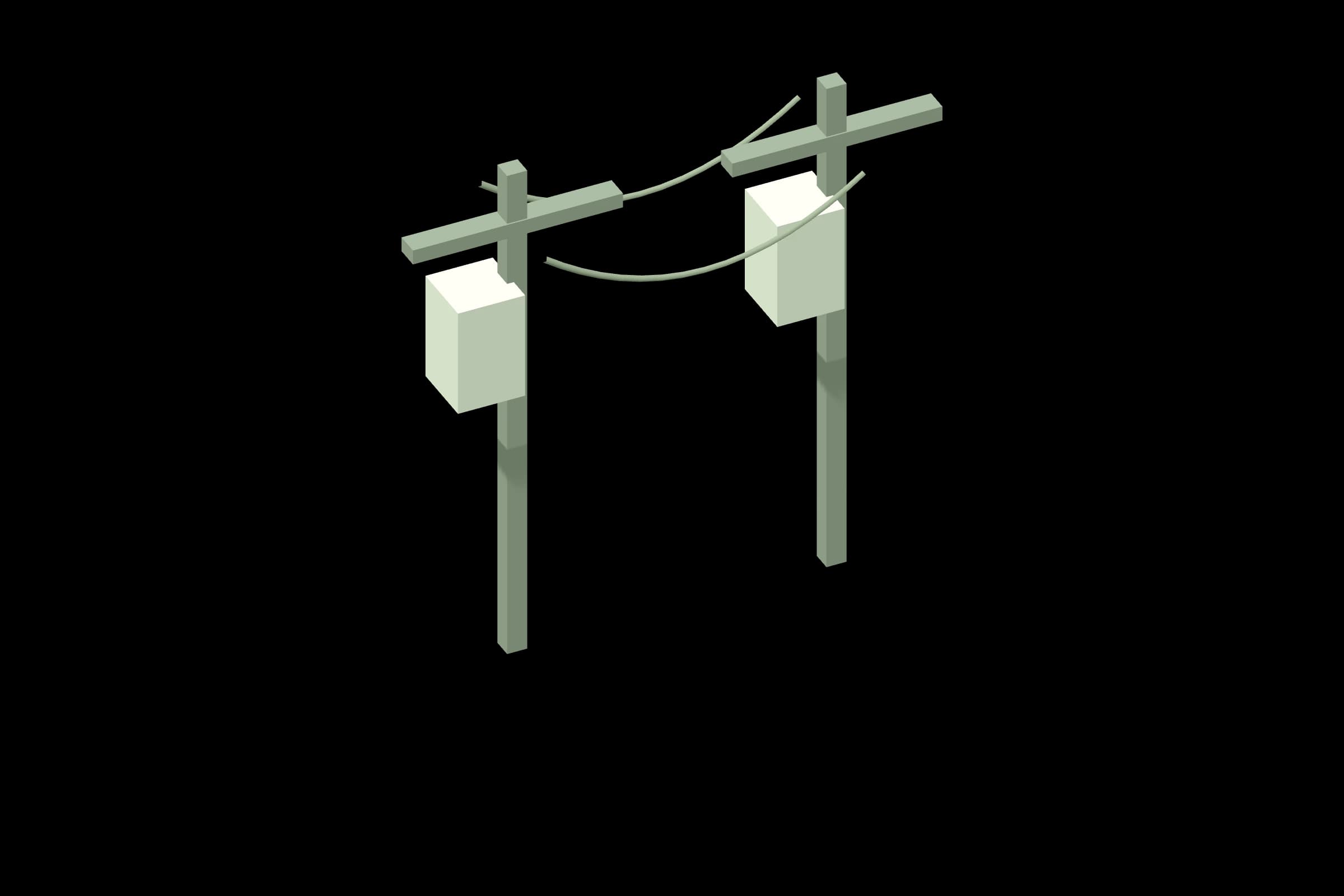
Grid disconnected
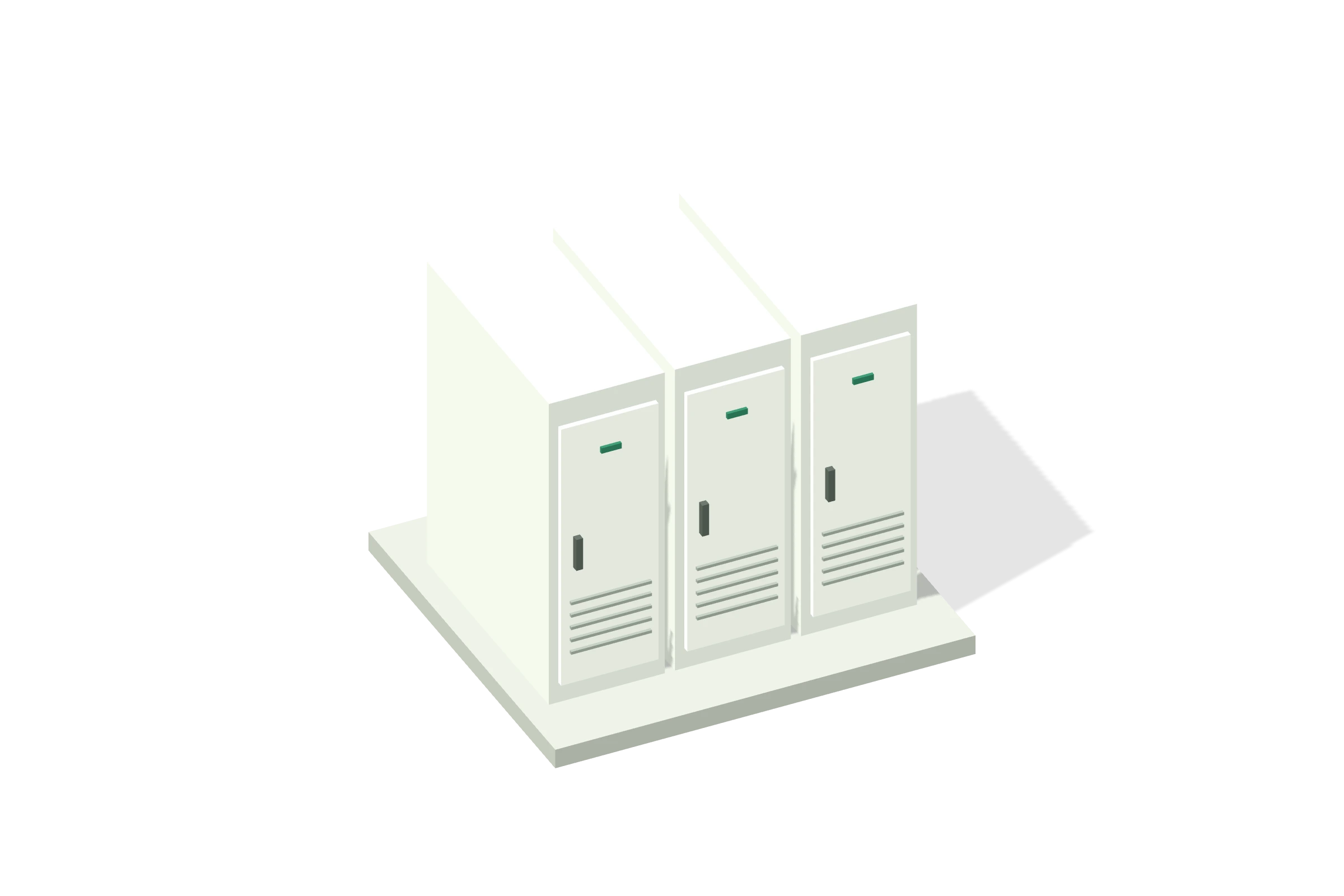
Battery and local control
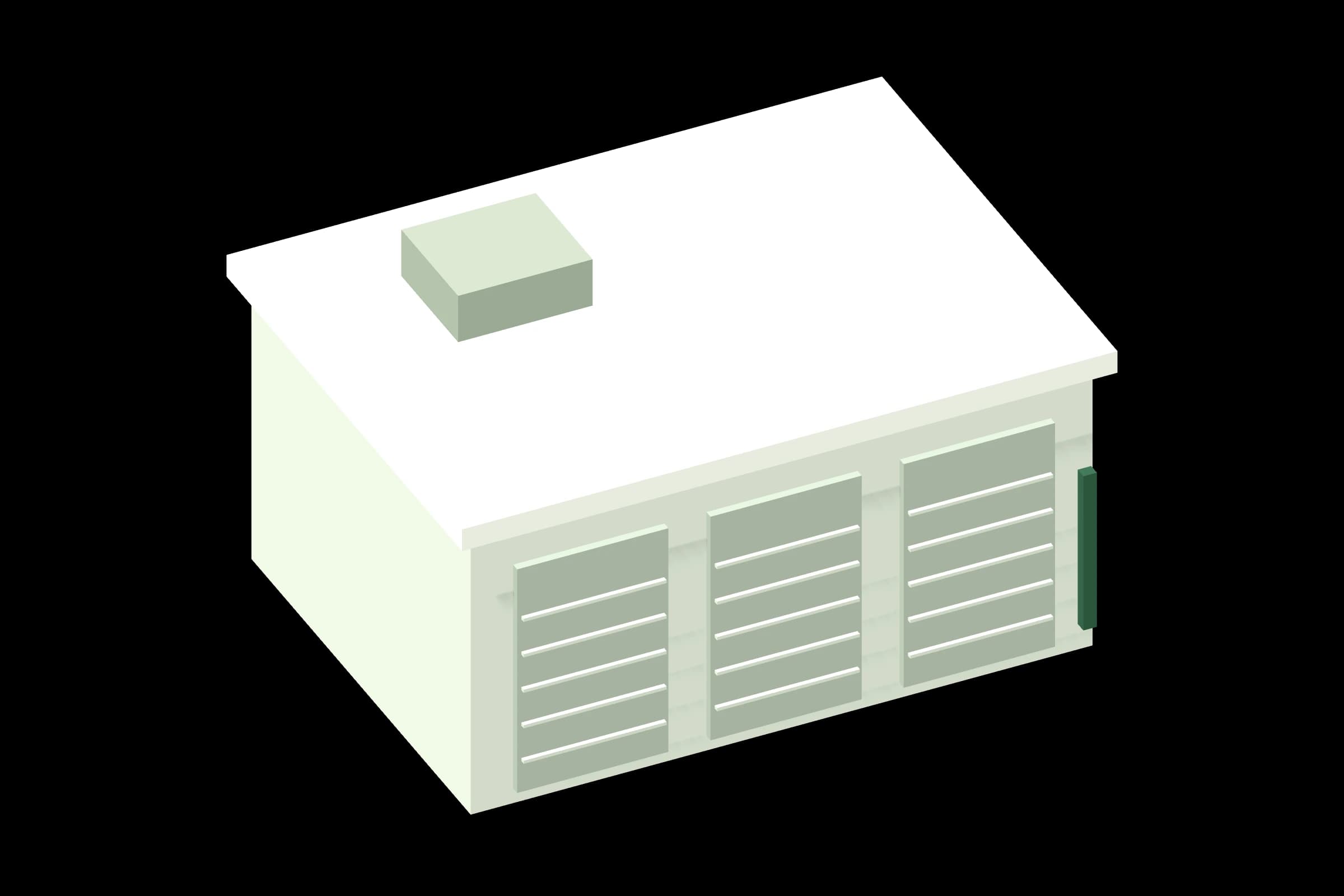
Selected critical loads
A battery does not automatically provide island operation
A grid-connected installation may be designed to stop when the grid fails. Island operation requires a system that can establish and maintain a local grid, then manage reconnection when the public grid is stable. This needs to be addressed during engineering.
Enfy’s security and preparedness solution combines batteries and energy management. The loads to be maintained, acceptable interruption time and autonomous operation requirements must be specified for each installation.
Which equipment must keep operating?
Start with a prioritised load list. Cooling, pumps, controls and communications may have different requirements from comfort heating or EV charging. Not everything needs to be powered at once.
For each item, specify continuous power, any starting current, acceptable interruption and required operating duration. Check dependencies too: a pump is of little use if its controls or valves have no power.
- Loads that cannot tolerate interruption and any need for a dedicated UPS.
- Loads that can restart after a short transfer.
- Loads that can be disconnected to extend operating time.
- How the system will be monitored, tested and maintained.
How long can a battery keep operations running?
A simplified estimate is available energy in kWh divided by load in kW. With 120 kWh available for delivery and a steady critical load of 40 kW, the result is three hours. This is a worked example, not a guaranteed operating time.
Actual duration depends on state of charge at the outage, losses, temperature, ageing and load variations. Solar can contribute when available and technically integrated for island operation, but should not be assumed to provide guaranteed generation throughout an outage.
Backup reserve must be a control priority
A battery used for daily optimisation may be partly discharged when an outage begins. Agree how much energy will be held for backup and how other uses will be limited.
A generator may form part of the solution for longer outages. Coordination, start sequence, load transfer and reconnection need to be engineered and tested together. Specify function and acceptable interruption in the purchase requirements, not just battery capacity.
Questions and answers
Is island operation the same as a UPS?
No. Island operation describes operating independently of the grid. A UPS provides uninterruptible power for equipment that cannot tolerate the transition. An island-capable system is not necessarily interruption-free; transfer time must be documented.
Can solar panels operate during a power outage?
Only if the system is designed for it. Inverters and controls must support the intended island operation, and generation and load must be balanced locally. An ordinary grid-connected solar installation does not automatically provide backup.
Can the battery also be used for peak shaving?
Yes, if the controls preserve the required backup reserve and the equipment supports both tasks. Available capacity for peak shaving will then be less than the battery’s total capacity.
Should we choose a battery or a generator?
Assess duration, acceptable interruption, starting currents, location and maintenance. A battery has limited stored energy; a generator needs fuel and operation throughout the outage. A combination may suit cases where the battery handles transition and the generator serves longer demand. Their interaction must be engineered and tested.
Sources and further reading
Planning a system for a specific building or site? Bring consumption data and explain what you want to achieve so we can assess the next steps together.
Discuss your project with Enfy