Battery backup and preparedness for businesses
Prepare for outages with a system designed around the equipment that must operate, its power needs and the required runtime.
Enfy assesses batteries, local controls and integration with existing backup power. Critical loads and transfer-time requirements guide the design.
Assess your site’s backup needsEnergy flow with Enfy EMS
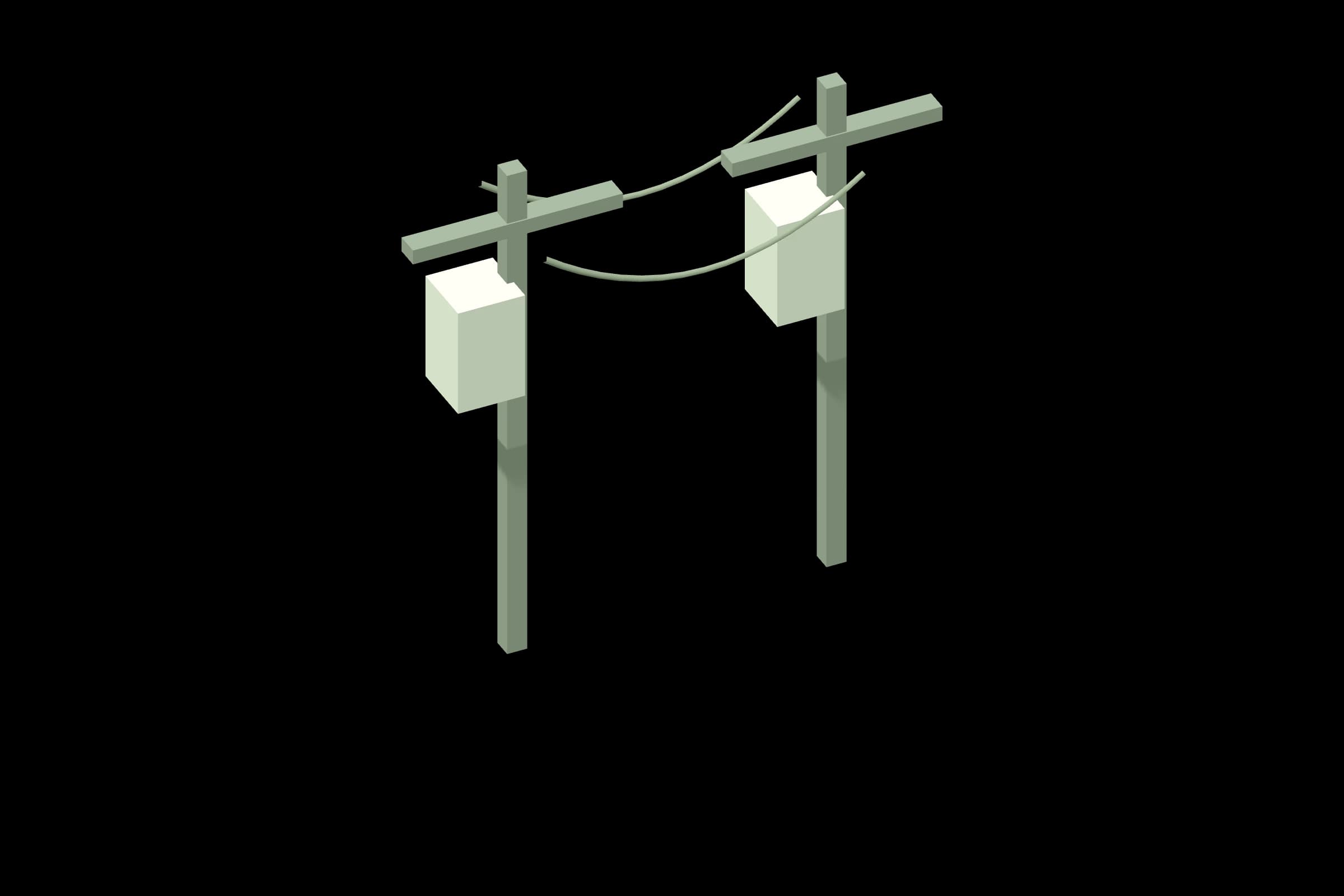
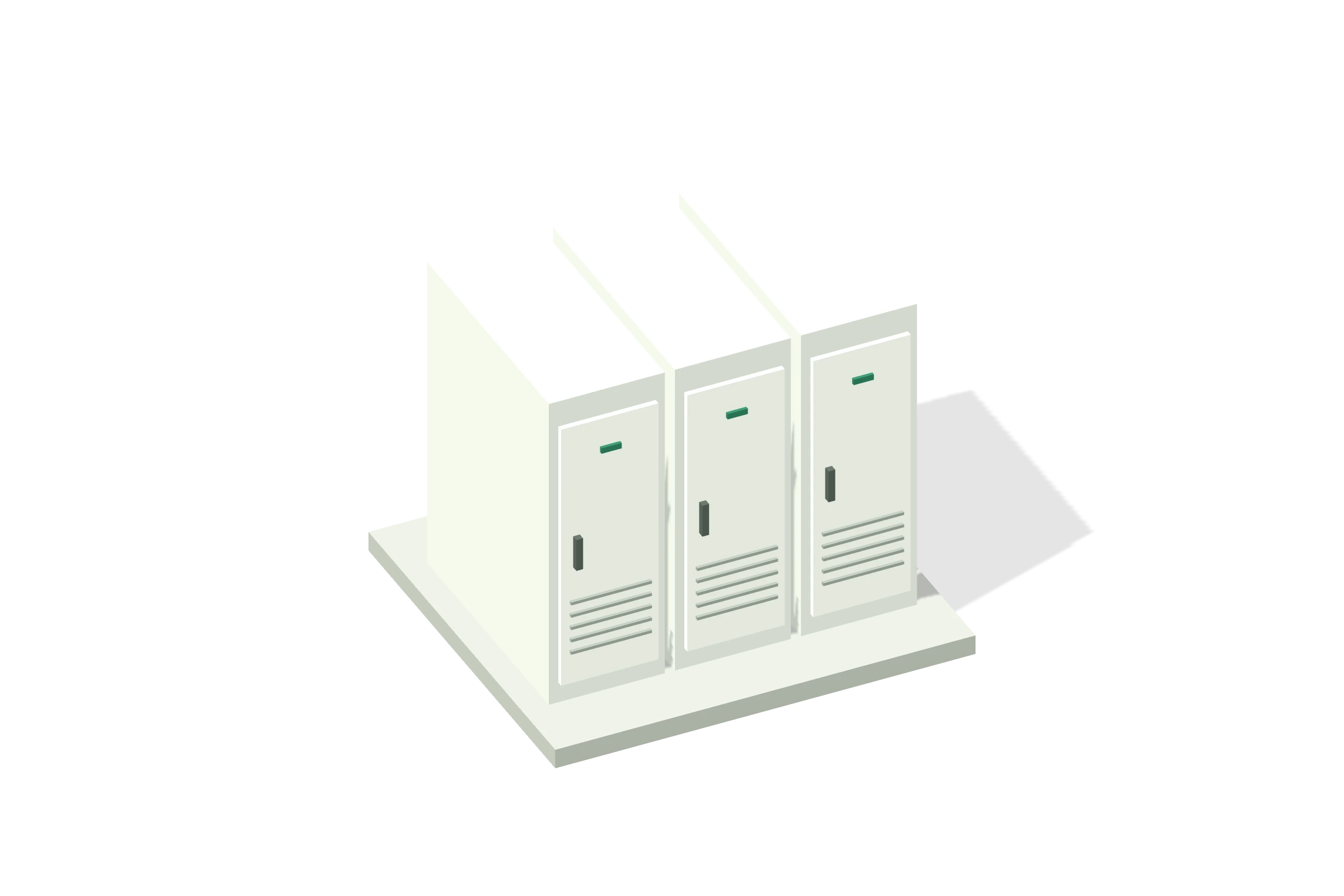
- The grid
- 0 kW
- Disconnected
- Critical loads
- 40 kW
- Consumption
- The battery
- 40 kW
- Supplying power
- Prioritize cooling, pumps and critical equipment
- Size for both power and required runtime
- Define transfer time and test the system
Which operations need to continue?
Start with the consequences of an outage. Some loads require continuous power; others can be stopped safely. Establish power, starting currents and acceptable interruption times for cooling, pumps, IT and production equipment.
A battery is one part of preparedness
Backup requires a system that can safely isolate the site from the grid and supply the selected loads. Inverters, protection, switching and local control must be designed together. A battery installed for price optimization does not automatically provide islanding.
Supply selected loads during a grid outage
Grid disconnected
Battery and local control
Selected critical loads
Calculate runtime for the critical loads
Available energy divided by load provides an initial estimate. Final sizing must account for charge level, losses, aging, temperature and changing consumption. The battery needs both enough energy over time and sufficient power for the equipment.
Coordinate with UPS and generators
Equipment that cannot tolerate an interruption may need a UPS. A generator may be appropriate for long outages while the battery covers other needs. Transfer, start sequence and reconnection must be documented and tested for the specific installation.
From your needs to a decision
1.Define the need
Tell us about your site and what you want to achieve. You do not need every technical detail ready for the first conversation.
2.Assess the inputs
Consumption, tariffs, equipment and operating requirements help us compare suitable measures.
3.Agree a practical next step
We clarify the proposed approach, assumptions and further work needed before an investment decision.
What you get
- Assessment of critical loads and interruption limits
- Battery, switching and local-control design
- Backup reserve as a constraint on daily operation
- Defined testing, maintenance and service responsibilities
Bring this overview to your next site-planning meeting.
Questions before choosing a system
- Is battery backup uninterrupted power?
- Not necessarily. Transfer time depends on the installation. Loads requiring uninterrupted power need a separate assessment and may require a UPS.
- How long can we operate on the battery?
- It depends on usable energy and the loads being supplied. Request a calculation with explicit assumptions and a test plan for the chosen system.
- What happens if the internet connection fails?
- Local behavior during a communication failure must be specified and tested. Establish which functions continue locally, how faults are reported and how normal operation resumes.