Reduce your business electricity costs
Use electricity more effectively, reduce demand peaks and assess whether battery storage makes sense for your site.
Enfy considers consumption, your electricity contract and grid tariff together. Battery storage and Enfy EMS can help align energy use with prices and available capacity.
Assess your savings potentialEnergy flow with Enfy EMS
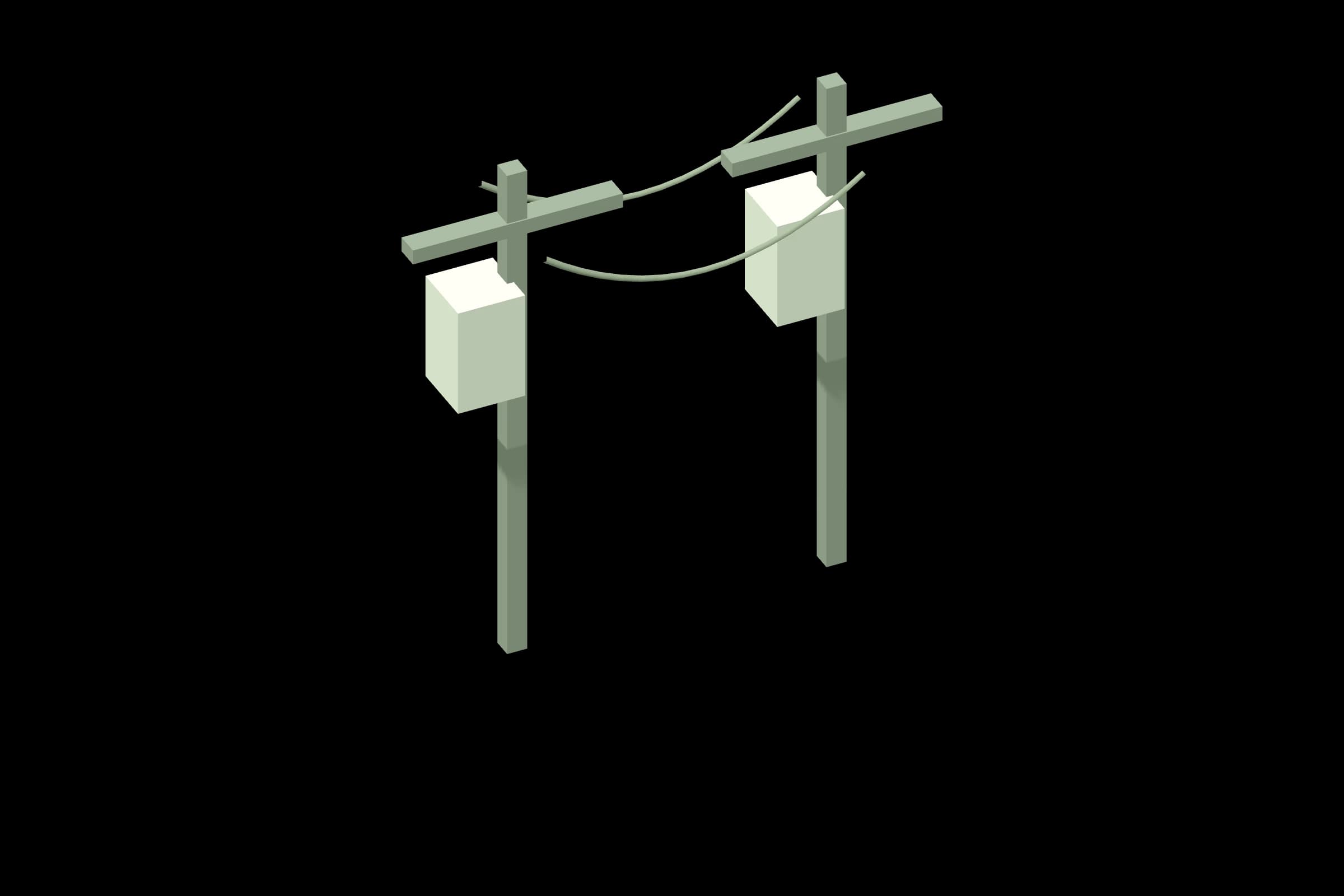
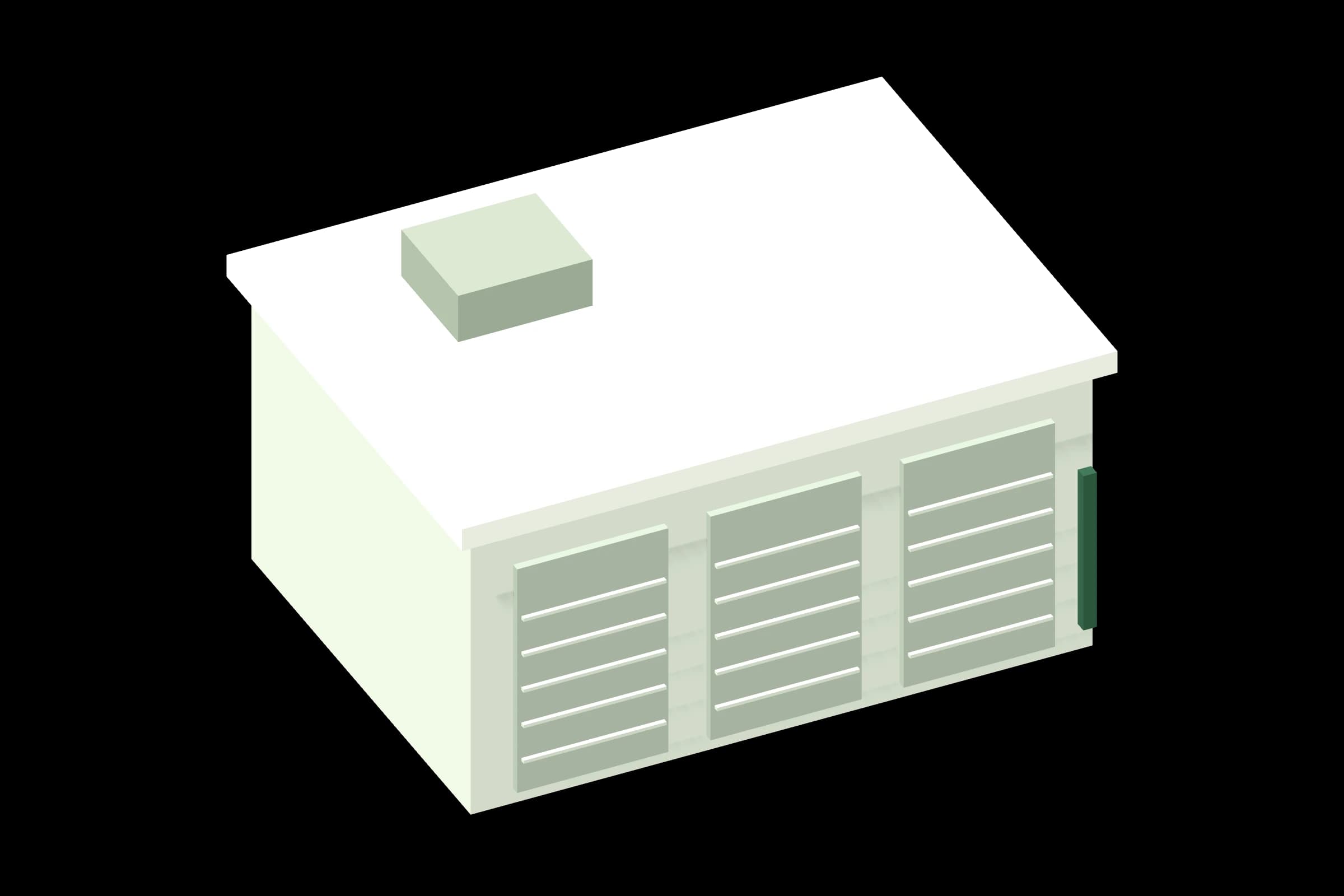
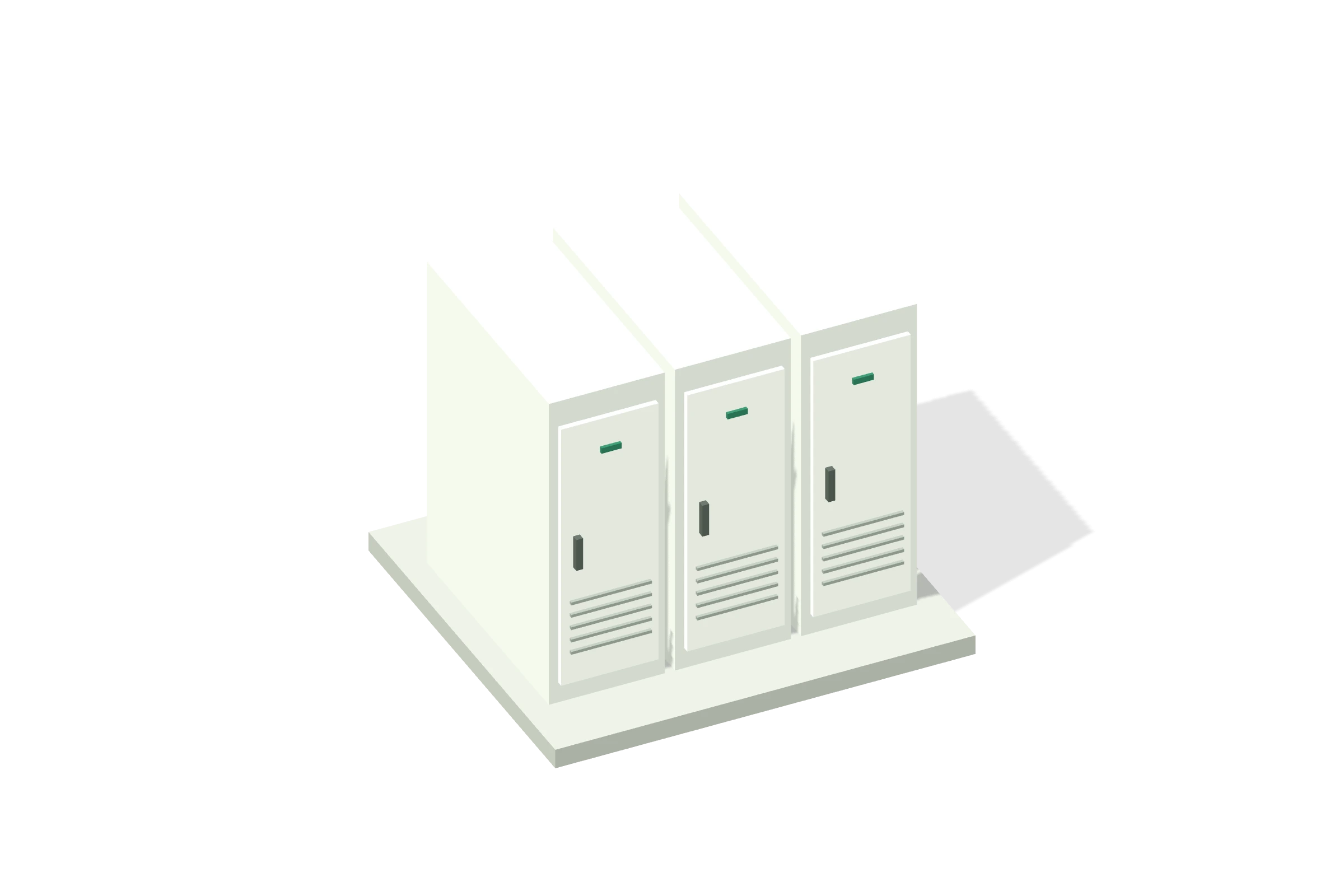
- The grid
- 200 kW
- From the grid
- The business
- 300 kW
- Consumption
- The battery
- 100 kW
- Supplying power
- Match energy use to prices and operating needs
- Reduce demand peaks where the tariff rewards it
- Compare a battery with simpler measures
Buy and use electricity at suitable times
A battery can charge when the total energy cost is lower and supply energy when it is higher. The benefit depends on the price difference, battery losses, electricity contract and grid tariff. Charging also has to fit your operations and available connection capacity.
Shift energy use between price periods
Electricity price (øre/kWh)
Time of day
Reduce the peaks that affect grid charges
When machines or chargers draw power together, demand increases. Controls can move some consumption, and a battery can cover part of a peak. We assess the actual grid tariff and measurement interval to understand whether reducing peak demand creates financial value.
The same demand peak, less power from the grid
Power (kW)
Time of day
Start with measures that fit your site
Changing start sequences, controlling loads or planning charging may be sufficient. Consider a battery when it addresses needs these measures cannot meet, or adds value through backup and eligible flexibility. Solar panels are not a prerequisite for assessing battery storage and energy management.
Account for the whole investment
Compare the proposal with continuing without a battery. Include installation, connection, losses, maintenance, software and operating agreements. Price shifting, demand-charge savings and market use must be assessed together so the same capacity is not counted more than once.
From your needs to a decision
1.Define the need
Tell us about your site and what you want to achieve. You do not need every technical detail ready for the first conversation.
2.Assess the inputs
Consumption, tariffs, equipment and operating requirements help us compare suitable measures.
3.Agree a practical next step
We clarify the proposed approach, assumptions and further work needed before an investment decision.
What you get
- Consumption, electricity-contract and tariff analysis
- Assessment of load control and battery sizing
- Defined operating limits and backup reserve
- A decision basis with explicit assumptions
Bring this overview to your next site-planning meeting.
Questions before choosing a system
- How much could we save?
- This requires consumption data, your tariff and electricity contract. An annual bill alone does not show when peaks occur. We assess measures and costs for your site before estimating savings.
- Do we need solar panels?
- No. Battery storage and controls can be assessed with electricity from the grid. Existing generation is included where relevant.
- Can the battery provide savings and backup?
- Potentially, but energy for critical loads must be reserved. This limits the capacity available for daily optimization and any market commitments.