Charging a battery when electricity is cheap: when does it pay off?
Charging based on electricity prices can pay off when the value of energy used later exceeds the cost of charging, losses and battery use. A low spot price alone is not enough. Account for the business’s supply contract, network tariff and operating needs before deciding when to charge.
Shift energy use between price periods
Electricity price (øre/kWh)
Time of day
What does shifting electricity between price periods mean?
The battery charges from the grid in a lower-cost period and supplies the business in a more expensive period. This is often called energy arbitrage. Here we examine replacing electricity the business would otherwise buy later, rather than selling energy to the grid.
A battery delivers less energy than it receives. Use the efficiency of the complete charging and discharging cycle, measured at comparable points. High cell efficiency alone does not necessarily account for inverter losses and the rest of the installation.
NREL: Grid-Scale Battery Storage – Frequently Asked Questions (2019, principles and definitions)
Which electricity price should you use?
Use the cost that actually changes when you buy one additional kWh for charging, and the cost you avoid when the battery replaces a later purchase. Include relevant supplier markups, network energy charges and taxes on a consistent basis. Exclude fixed amounts that remain unchanged from this particular comparison.
A spot contract may create different value from a fixed-price contract. A screen showing low exchange prices is not evidence of what the business pays. Changes in demand charges need a separate calculation across the consumption profile, because they are not a simple price per additional kWh.
Elvia: Demand tariffs for businesses above 100,000 kWh (Norwegian)
Worked example: delivering 100 kWh to the business
All figures below are invented to explain the method. We assume 90% round-trip efficiency and that the battery replaces 100 kWh which would otherwise be bought from the grid. The charging price is NOK 0.50/kWh and the avoided purchase price is NOK 1.00/kWh. These prices include all variable purchase costs in this example and exclude VAT.
We also allow NOK 0.10 per delivered kWh for wear and other variable battery operating costs. This is an assumption, not a documented Enfy cost. We assume charging does not increase billed demand, and that round-trip efficiency accounts for losses in this cycle.
One illustrative charging cycle. Rounded figures; not a price forecast or guaranteed saving.
| Calculation | Result |
|---|---|
| Energy to buy: 100 kWh / 0.90 | 111.11 kWh |
| Charging cost: 111.11 kWh × NOK 0.50/kWh | NOK 55.56 |
| Avoided purchase: 100 kWh × NOK 1.00/kWh | NOK 100.00 |
| Difference after energy losses: 100.00 − 55.56 | NOK 44.44 |
| Wear and variable operation allowance: 100 × 0.10 | NOK 10.00 |
| Contribution after these costs: 44.44 − 10.00 | NOK 34.44 |
How large does the price difference need to be?
Under these assumptions, the avoided purchase price must exceed 0.50 / 0.90 + 0.10 = approximately NOK 0.66/kWh for the contribution to be positive. This is more accurate than comparing the two electricity prices without accounting for losses.
If the later price is only NOK 0.60/kWh, the avoided purchase is worth NOK 60. After NOK 55.56 for charging and NOK 10 for variable battery costs, the contribution is negative NOK 5.56. A charging price below the later electricity price does not always produce a benefit.
Even a positive NOK 34.44 contribution is not the project’s profit. Investment, financing, fixed service and software fees, and any other costs still need to be covered. Reconcile the wear allowance with lifetime and replacement calculations so the same cost is not counted twice.
Can cheap charging increase network costs or reduce backup readiness?
Yes. Suppose the business uses 80 kW while the battery charges at 50 kW. The grid must supply 130 kW, before any additional loads. If that creates a new billing peak, deduct the increase in network charges from the value of shifting energy.
The battery may also be needed for a coming production peak or an agreed backup reserve. EMS must coordinate these needs within the available power and energy. Capacity already committed to another task cannot also be treated as freely available for price-based charging.
- Set a limit on total grid demand during charging.
- Maintain the agreed energy reserve and allow time for recharging.
- Use the operating schedule to identify when the business actually needs the energy.
- Assess contracted market commitments together with local use.
How do you move from one day to an investment assessment?
Compare a representative year using your supply contract, network tariff and interval readings. Compare direct electricity use, shifting flexible loads without storage and operation with a battery. Show both the total bill and which cost items change.
An analysis that selects the cheapest and most expensive periods with hindsight can overstate the value achievable in operation. Ask for a clear account of available price information, uncertain demand forecasts, power limits and charging windows. Also test smaller price differences and declining battery capacity over its lifetime.
Use the battery economics guide for the full investment assessment. Energy shifting is one potential source of value; it needs to be coordinated with other uses of the battery.
Questions and answers
Do we need solar panels to charge a battery at low prices?
No. A suitable grid-connected battery system can charge from the electricity grid. Connection arrangements, power limits and control must be established for the site. On-site generation may be included but is not a prerequisite for price-based charging.
Does a negative spot price make charging free?
Not necessarily. Markups, network charges and taxes may still leave a positive total purchase cost. Battery losses, wear and any increase in demand charges must also be considered.
Are price-based charging and peak shaving the same thing?
No. Price-based charging uses differences in energy costs over time. Peak shaving limits power drawn from the grid. They can be combined, but must be coordinated to prevent charging from creating new peaks.
Should the battery be fully charged every night?
Not as a fixed rule. The appropriate charge level depends on prices, expected consumption, battery limits and the required reserve. On some days, avoiding an additional cycle may be the better choice.
Sources and further reading
- NREL: Grid-Scale Battery Storage – Frequently Asked Questions (2019, principles and definitions)
- Elvia: Demand tariffs for businesses above 100,000 kWh (Norwegian)
- Energy management for industry
- Explore the relevant energy solution
- Understand business network tariffs and demand charges
- Battery costs and economics: assess the full investment
- EMS, BMS and energy monitoring explained
- How Enfy EMS supports energy management
See how charging changes grid demand
Energy flow with Enfy EMS
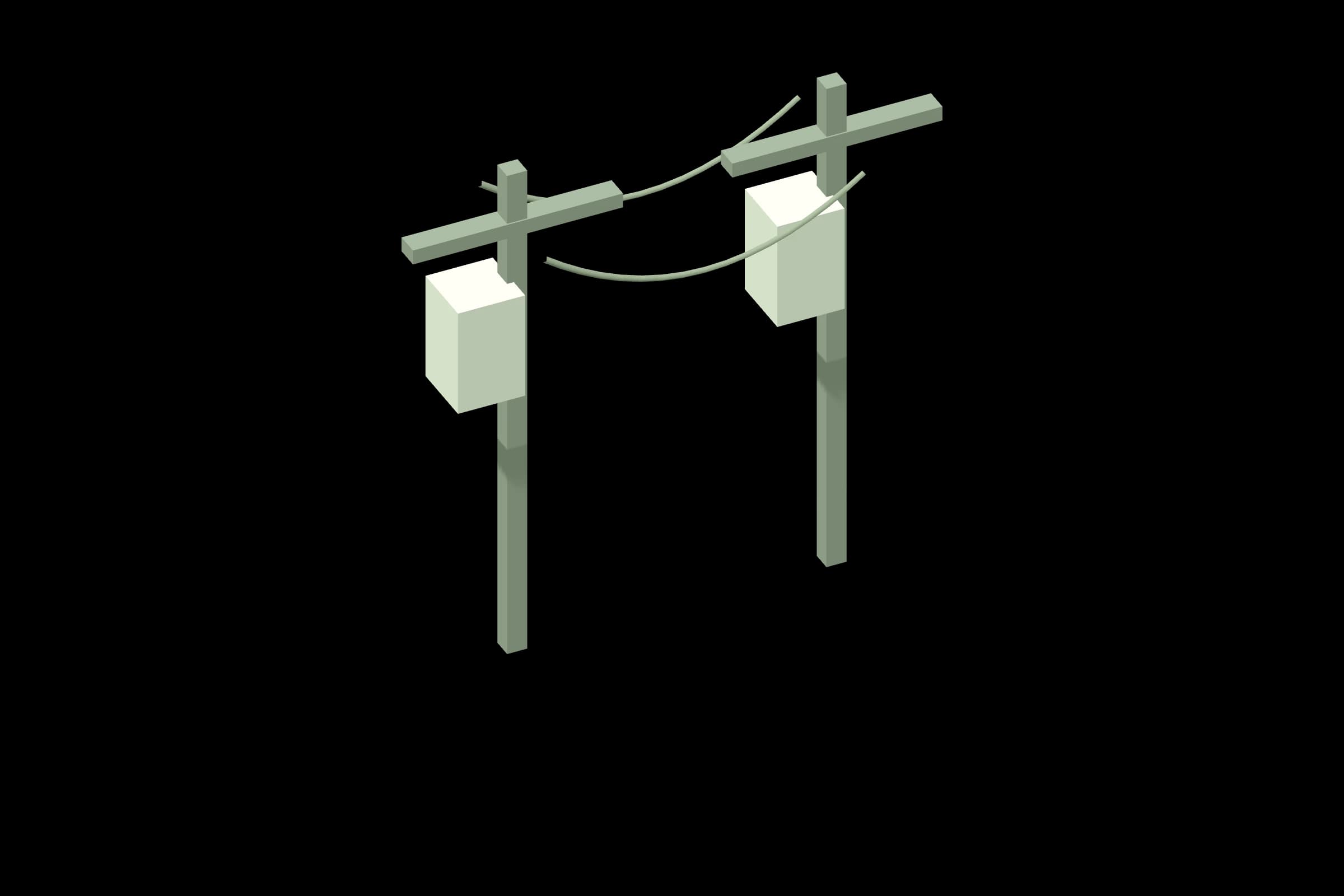
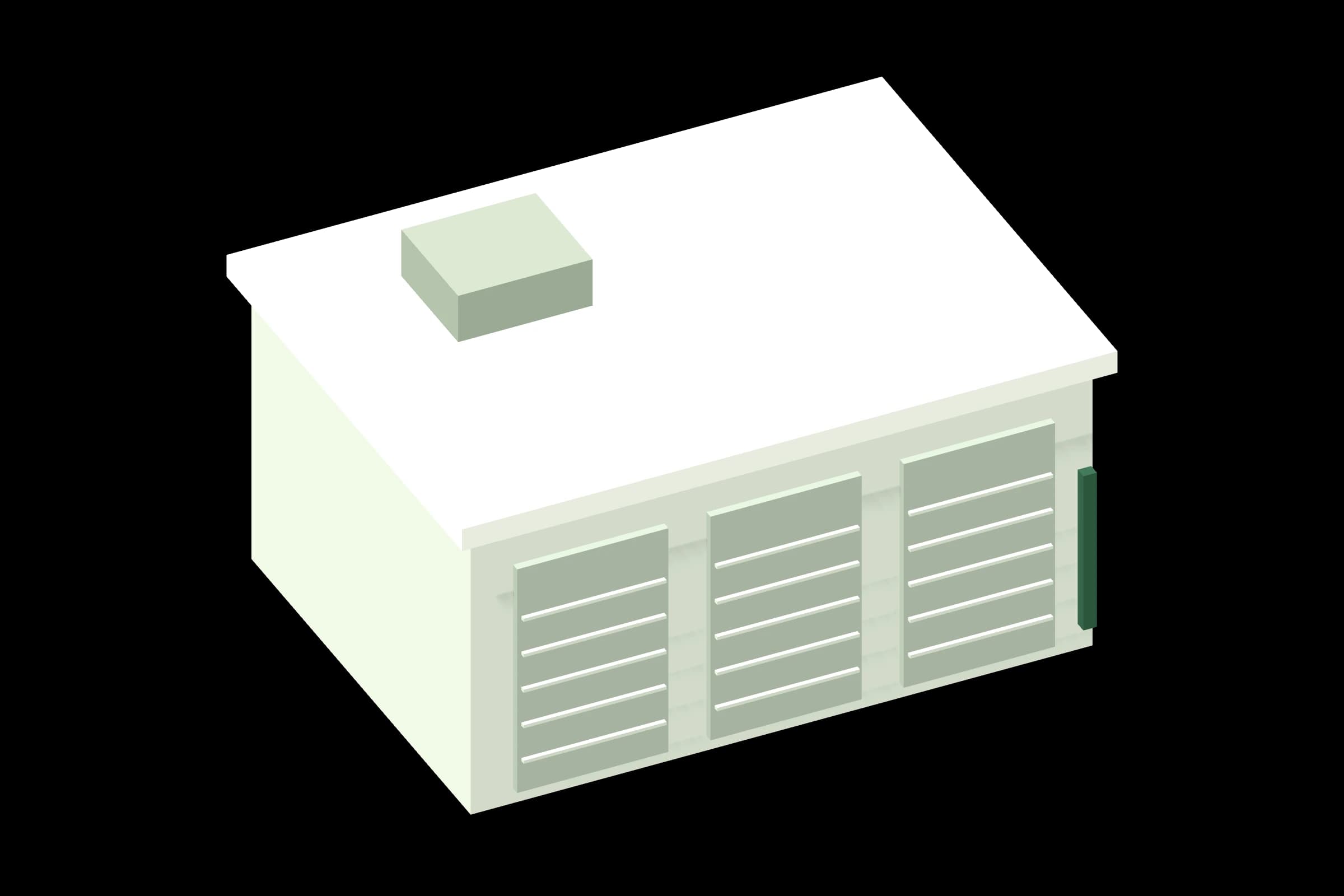

- The grid
- 130 kW
- From the grid
- The business
- 80 kW
- Consumption
- The battery
- 50 kW
- Charging
Planning a system for a specific building or site? Bring consumption data and explain what you want to achieve so we can assess the next steps together.
Discuss your project with Enfy