Reserve markets: value from business flexibility
A suitable battery or controllable load can help balance the grid and generate income. Enfy helps assess the opportunity and its requirements.
We start with the capacity you can make available while accounting for your operations and backup needs. We then assess suitable reserve products and delivery arrangements.
Assess your reserve-market opportunityEnergy flow with Enfy EMS

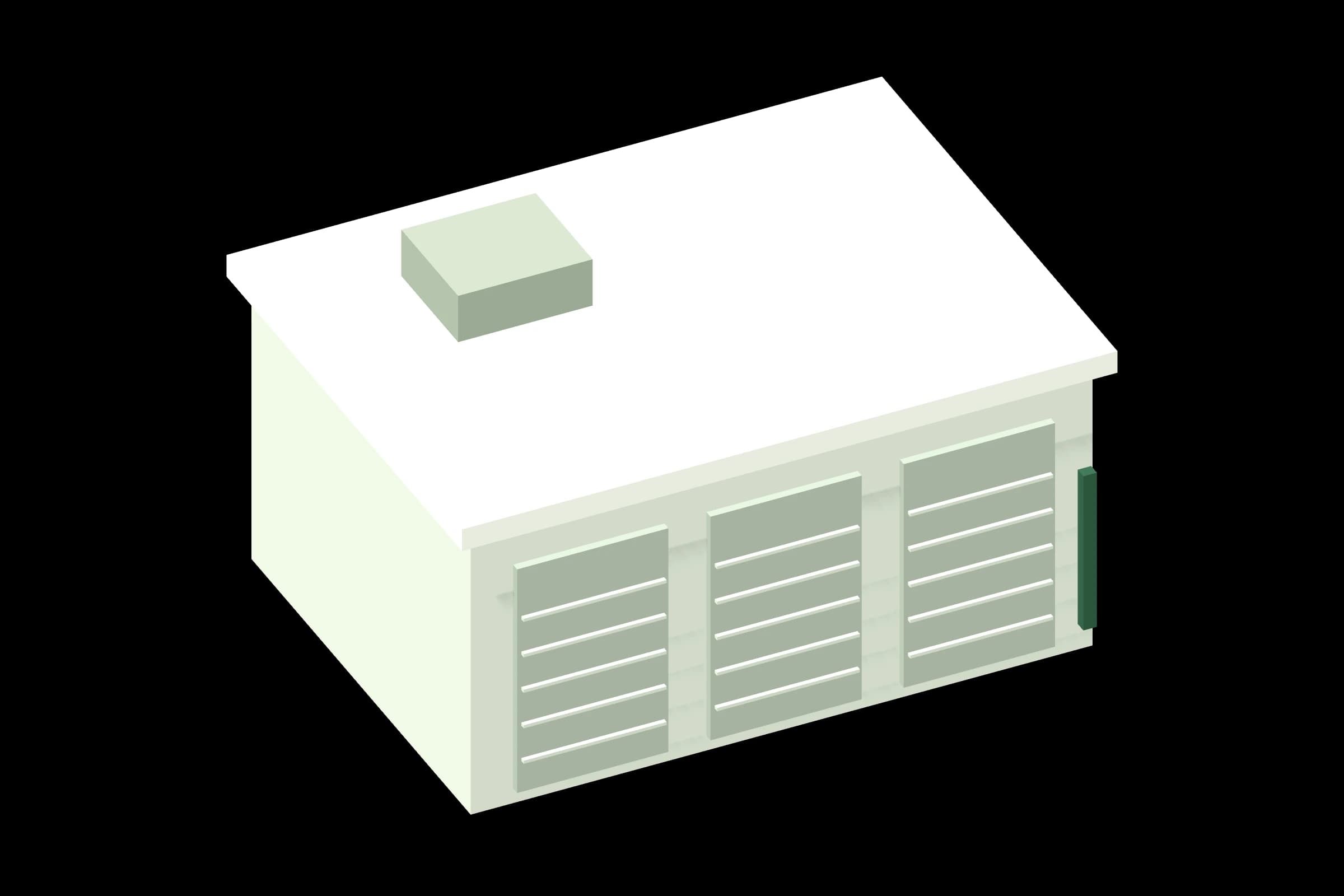
- The grid
- 200 kW
- From the grid
- The business
- 300 kW
- Consumption
- The battery
- 100 kW
- Supplying power
- Establish the capacity you can make available
- Clarify qualification and market access
- Assess income, costs and obligations together
What are you paid for?
Reserve products help balance the power system. Depending on the product, payment may relate to available capacity and energy delivered during activation. This differs from moving consumption between periods with different electricity prices.
Capacity that can actually be delivered
Battery nameplate power alone does not establish what a site can offer. Available energy, response time, connection limits, metering and operating needs all matter. Capacity already committed elsewhere cannot be promised again.
Establish capacity before offering it to the market
Site operation
Backup reserve
Potential market delivery
From assessment to qualified participation
Resources and supplier roles must meet the relevant registration, contractual and prequalification requirements. Establish who handles bids, delivery monitoring, deviations and settlement. Eligible products depend on the specific site and delivery arrangement.
Calculate net value across scenarios
Prices and availability change. Calculations should identify the data period, delivery windows, energy costs, degradation, fees and any revenue sharing. Historical market results inform an assessment; they do not guarantee future income.
From your needs to a decision
1.Define the need
Tell us about your site and what you want to achieve. You do not need every technical detail ready for the first conversation.
2.Assess the inputs
Consumption, tariffs, equipment and operating requirements help us compare suitable measures.
3.Agree a practical next step
We clarify the proposed approach, assumptions and further work needed before an investment decision.
What you get
- Assessment of flexibility and technical requirements
- Coordination with operations and backup needs
- Clarification of qualification and delivery responsibility
- Financial scenarios with costs and uncertainty
Bring this overview to your next site-planning meeting.
Questions before choosing a system
- Can every battery participate?
- No. Equipment, controls, metering and connection must meet the requirements of the relevant product. Resources and delivery arrangements need qualification before participation.
- Is the income guaranteed?
- No. Prices, bid acceptance, availability and delivery affect the result. Request multiple scenarios and a clear explanation of deductions from gross income.
- Can the battery also provide backup?
- Potentially, but backup reserve, power limits and existing market commitments must be coordinated. The assessment should show the capacity actually available for each purpose.